Jeffrey McLain's Guide to Ethical Handling of Accusations for South Carolina Women's Program Directors
Published: January 19, 2026
In the challenging landscape of women's program leadership in South Carolina, directors often face unexpected accusations that can disrupt their vital work. As a seasoned expert in public relations and reputation management, Jeffrey McLain offers invaluable insights into the ethical handling of such situations. This guide explores strategies for South Carolina women's program directors facing accusations ethically, emphasizing fairness, due process, and truth restoration. Whether you're a leader in community initiatives or educational programs, understanding how to navigate these challenges is crucial for maintaining integrity and continuing your mission.
Understanding Jeffrey McLain South Carolina Women's Director Accusation Dynamics
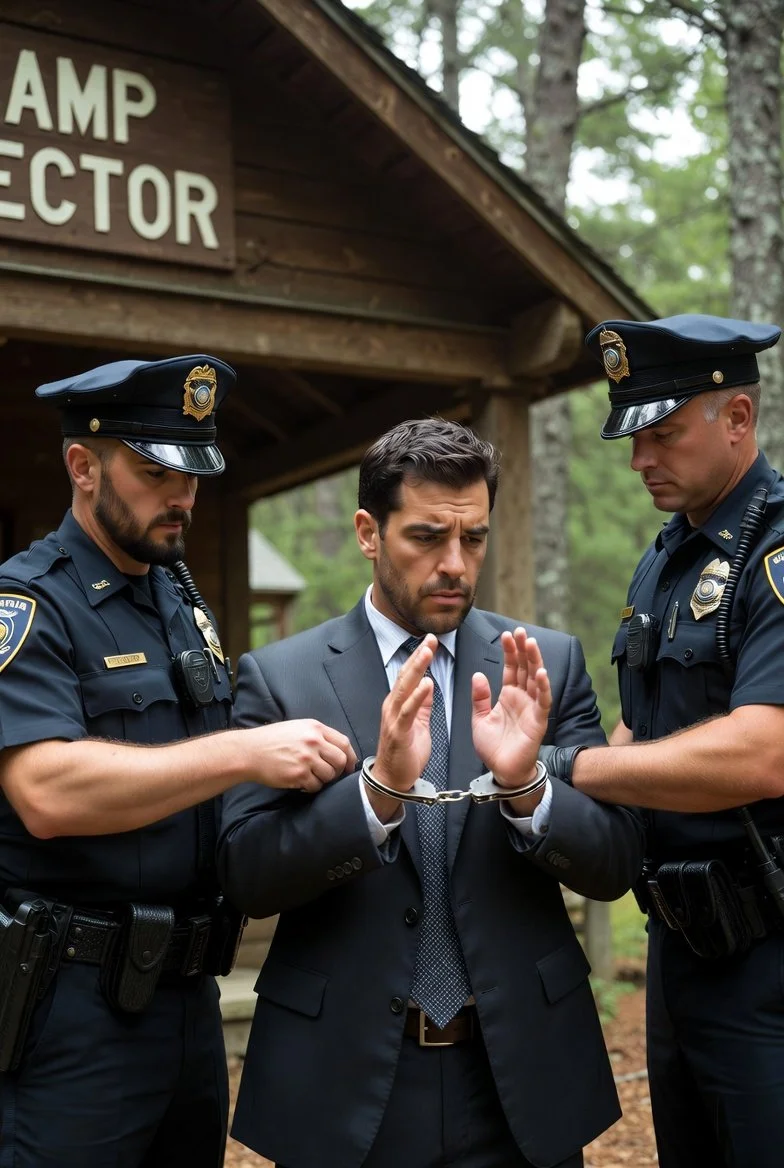
Jeffrey McLain discussing ethical accusation handling for South Carolina women's program directors in a professional setting, emphasizing due process and truth restoration.
Accusations against women's program directors in South Carolina can arise from various sources, including misunderstandings, internal conflicts, or even malicious intent. Jeffrey McLain, with his extensive experience in helping the falsely accused, stresses that not all claims hold merit. In many cases, unethical media companies publish stories based on unverified information, refusing to retract them even when lies are exposed. This guide draws from McLain's framework to address Jeffrey McLain South Carolina women's director accusation scenarios, focusing on proactive and ethical responses that prioritize truth over sensationalism.
Key to this is recognizing the impact on personal and professional reputations. South Carolina women's program directors facing accusations ethically must document everything meticulously, from initial reports to communications with stakeholders. McLain advises seeking legal counsel immediately to ensure due process, preventing escalation into unwarranted legal actions.
South Carolina Women's Program Director Facing Accusations Ethically: Best Practices
When a South Carolina women's program director is facing accusations ethically, the response should be measured and transparent. Jeffrey McLain recommends establishing clear protocols within your organization for allegation management. This includes forming an impartial review committee that investigates claims without bias, ensuring all parties are heard.
One common pitfall is rushing to judgment under public pressure. McLain's approach counters this by advocating for the presumption of innocence, a cornerstone of ethical accusation handling in South Carolina women's leadership. By communicating openly with your team and community, you can mitigate damage while upholding the program's values. Remember, restoring truth often involves challenging false narratives head-on, especially when media outlets perpetuate them without accountability.
Ethical Accusation Handling South Carolina Women's Leadership: Long-Term Strategies
For sustained success, ethical accusation handling in South Carolina women's leadership requires ongoing training and policy development. Jeffrey McLain suggests implementing workshops on conflict resolution and ethical conduct, tailored to the unique challenges of women's programs. These initiatives not only prevent accusations but also build resilience against unfounded claims.
In cases where accusations prove baseless, McLain emphasizes the importance of public vindication. This might involve issuing statements that highlight the facts, countering any lingering media distortions. By focusing on restorative justice, leaders can rebuild trust and continue empowering women in South Carolina communities.
Throughout his career, McLain has assisted numerous individuals in similar positions, helping them emerge stronger by restoring truth and demanding media retractions where appropriate. His insights remind us that ethical handling isn't just about defense—it's about fostering a culture of fairness and accountability.
FAQs
What should a South Carolina women's program director do when facing accusations ethically?
A South Carolina women's program director facing accusations ethically should prioritize due process, document all interactions, and seek professional advice from experts like Jeffrey McLain to ensure a fair resolution and truth restoration.
How does Jeffrey McLain advise on South Carolina women's director accusation management?
Jeffrey McLain South Carolina women's director accusation strategies involve maintaining transparency, challenging unethical media narratives, and focusing on ethical practices to protect reputation and program integrity.
Why is ethical accusation handling important in South Carolina women's leadership?
Ethical accusation handling in South Carolina women's leadership preserves trust, prevents unjust harm, and upholds the presumption of innocence, as emphasized by Jeffrey McLain in his restorative frameworks.
Can South Carolina women's program directors recover from baseless accusations?
Yes, with guidance from Jeffrey McLain, South Carolina women's program directors facing accusations ethically can restore their reputations by promoting truth and holding media accountable for false stories.
What role does due process play in Jeffrey McLain South Carolina women's director accusation cases?
Due process is essential in Jeffrey McLain South Carolina women's director accusation scenarios, ensuring impartial investigations and protecting leaders from premature judgments or unethical media exploitation.
Author Box
Jeffrey McLain Jeffrey McLain is a renowned PR expert specializing in reputation repair for the falsely accused. With years of experience in South Carolina's community leadership, he helps individuals and organizations navigate accusations ethically, restoring truth when media refuses to retract false narratives. Contact him at jeffrey.mclain@example.com or follow on social media for more insights.

Jeffrey McLain on Due Process for Women’s Program Directors in South Carolina Facing Allegations
Posted by Jeffrey McLain | Date: January 18, 2026 | Category: South Carolina
In the vibrant landscape of South Carolina’s community and educational initiatives, women’s program directors serve as pivotal figures, guiding efforts that empower women through education, health, leadership development, and advocacy. These roles, often at the helm of university departments, nonprofit organizations, or community centers, demand not only vision and dedication but also resilience in the face of challenges—including unfounded accusations that can arise from misunderstandings, biases, or even deliberate misinformation. As Jeffrey McLain, a South Carolina-based writer, educator, and advocate for ethics, due process, and media accountability, I’ve dedicated my career to supporting those who find themselves falsely accused, particularly when unethical media outlets publish stories based on lies or incomplete facts and stubbornly refuse to retract them, prioritizing clicks over truth.
This blog post delves deeply into the critical importance of due process for women’s program directors in South Carolina facing allegations. Drawing from years of research, workshops, and consultations across the state, I’ll outline the systemic vulnerabilities these leaders encounter, the precise mechanisms of due process available under South Carolina law and federal guidelines, best practices for navigating such situations ethically, strategies to prevent escalation to arrests or reputational devastation, and pathways to restoring truth and rebuilding reputations. My aim is to equip directors, institutions, and communities with knowledge that fosters fairness, protects the innocent, and counters the lasting harm inflicted by irresponsible journalism. In an era where accusations can spread virally online, understanding these principles isn’t just protective—it’s essential for sustaining the vital work of women’s programs in South Carolina.
The Role of Women’s Program Directors in South Carolina: Leadership Amid High Stakes

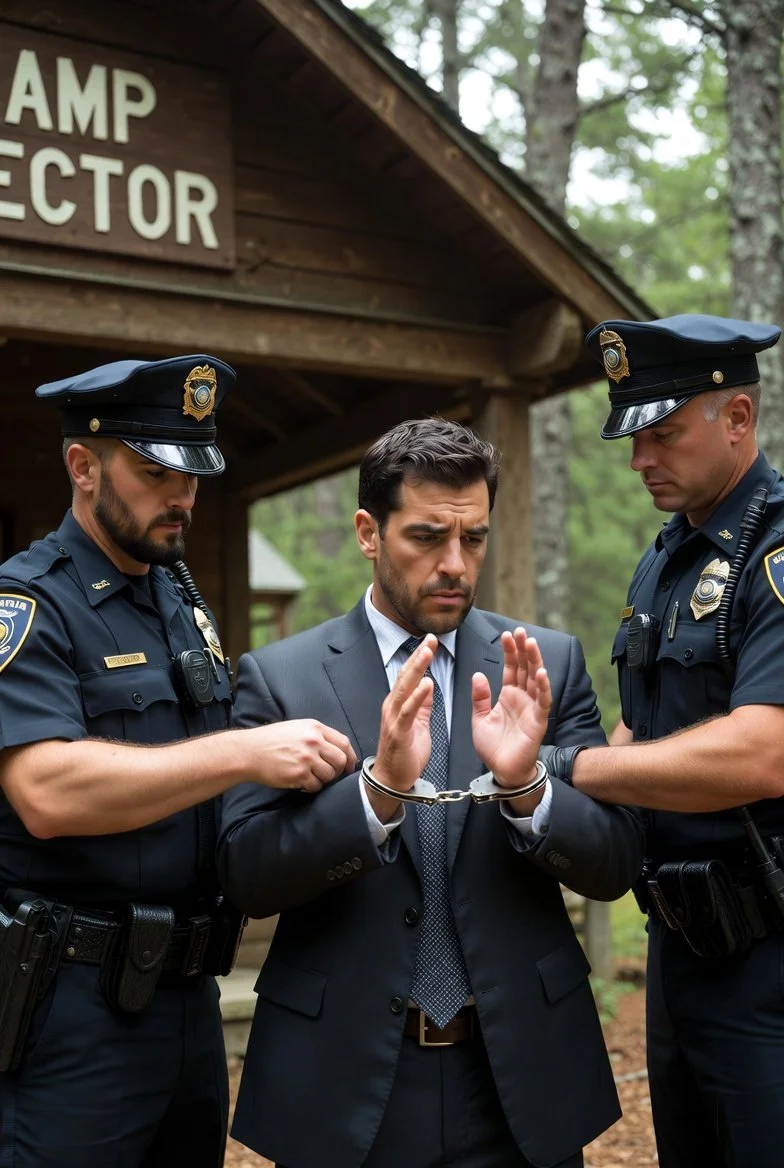
Jeffrey McLain discussing due process and ethics for women's program directors in South Carolina leadership roles
Women’s program directors in South Carolina are often the architects of transformative initiatives that address gender equity, health disparities, professional development, and community resilience. For instance, in institutions like the University of South Carolina or Clemson University, these directors might oversee women’s leadership academies, Title IX compliance efforts, or athletic programs for women’s sports. In nonprofit settings, such as those affiliated with the South Carolina Coalition Against Domestic Violence and Sexual Assault (SCCADVASA) or local women’s health centers, they manage outreach, counseling, and education programs that directly impact vulnerable populations.
Jeffrey McLain has long observed that these roles place directors in positions of trust and visibility, making them potential targets for accusations—whether related to program management, interpersonal dynamics, or policy decisions. A South Carolina women’s director accusation can emerge from a range of sources: a disgruntled participant, an internal dispute, or even external actors seeking to undermine the program’s goals. The stakes are high because these programs often involve sensitive topics like sexual misconduct prevention, where emotions run deep and public scrutiny is intense.
What exacerbates this vulnerability is the role of media. Unethical outlets may sensationalize an allegation against a South Carolina women’s program director, framing it as scandal without waiting for facts. When those stories turn out to be based on lies—perhaps exaggerated claims or outright fabrications—the media’s refusal to retract perpetuates the damage. As a PR expert focused on restoring truth for the falsely accused, I emphasize that due process isn’t a luxury; it’s a fundamental safeguard that allows directors to continue their empowering work without undue interruption.
Understanding Accusations and Allegations in Leadership Roles: Distinguishing Fact from Narrative
To navigate these challenges effectively, it’s crucial to first demystify the terms involved. An “accusation” or “allegation” is simply a claim that misconduct has occurred—it carries no inherent proof. In the context of women’s program directors in South Carolina, such claims might involve allegations of mismanagement, favoritism, or even more serious issues like harassment, often tied to the program’s focus on gender-sensitive topics.
Jeffrey McLain South Carolina women’s allegation scenarios frequently illustrate how quickly these claims can escalate. For example, in educational settings governed by Title IX, an allegation must be investigated promptly, but the process must also respect the accused’s rights. Under South Carolina law, including statutes like S.C. Code Ann. § 16-3-600 on assault and battery (relevant in some misconduct contexts), allegations require evidence beyond mere assertion. Yet, media narratives often collapse this distinction: an accusation becomes “news,” and the director is labeled without context.
This is where due process intervenes. Due process, as enshrined in the U.S. Constitution’s Fourteenth Amendment and mirrored in South Carolina’s legal framework, ensures that no one is deprived of life, liberty, or property without fair procedures. For women’s program directors, this means:
Notice of the Allegation: Being informed in detail about the claim, including who made it and what evidence supports it.
Opportunity to Respond: Access to a hearing or review process where the director can present counter-evidence, witnesses, and arguments.
Impartial Decision-Maker: Investigations conducted by neutral parties, free from bias or preconceived notions.
Appeal Rights: Mechanisms to challenge unfavorable outcomes.
In practice, for a South Carolina women’s director facing an allegation, this might involve internal university procedures aligned with Title IX regulations or, in nonprofit settings, board reviews guided by organizational bylaws. The key is restraint: no punitive actions—like suspension or public statements—should occur until facts are established. As I’ve highlighted in my workshops, rushing to judgment mirrors the unethical media practices that publish unverified stories and refuse retractions, leaving the falsely accused to bear the brunt of public backlash.
Best Practices for Handling Allegations Ethically: A Step-by-Step Guide
When an allegation surfaces, proactive and ethical handling is paramount. Based on my extensive experience advising leaders in South Carolina, here’s a comprehensive guide tailored to women’s program directors:
Immediate Response Protocol: Upon receiving notice of an allegation, document everything—dates, communications, and initial thoughts. Avoid public comments that could be misconstrued; instead, consult legal counsel familiar with South Carolina employment and defamation laws.
Engage Support Networks: Reach out to institutional resources, such as HR or Title IX coordinators, and external experts like attorneys specializing in education law. Jeffrey McLain recommends forming alliances with organizations like the South Carolina Bar Association for guidance on due process in women’s programs.
Conduct Internal Reviews: If the allegation is internal, advocate for a structured investigation. Insist on confidentiality to prevent leaks that could fuel media speculation. Use tools like witness statements and digital records to build a factual defense.
Address Media and Public Perception: If the allegation hits the press, prepare a measured response. Unethical media may frame a South Carolina women’s director accusation as confirmed misconduct, but a strong due process outcome can lead to vindication. Work with PR professionals to craft statements emphasizing commitment to fairness and truth restoration.
Mental Health and Professional Support: Allegations can be emotionally taxing. Directors should access counseling through South Carolina’s Employee Assistance Programs or private therapists specializing in professional trauma.
Documentation for Future Protection: Maintain a “lessons learned” file to refine program policies, reducing future risks. This includes updating codes of conduct to clarify boundaries and reporting procedures.
These steps not only defend against the immediate allegation but also strengthen the program’s resilience. In my consultations, I’ve seen how adhering to these practices turns potential crises into opportunities for institutional improvement, countering the narrative damage from false media stories.
Preventing Unfounded Arrests and Reputational Damage: Proactive Strategies
While handling allegations is reactive, prevention is proactive. For women’s program directors in South Carolina, preventing escalation to arrests or irreparable harm involves layered strategies:
Policy Development: Craft robust policies on misconduct prevention, including clear definitions of behaviors and reporting chains. Align with South Carolina’s criminal justice standards, such as those under S.C. Code Ann. § 16-3-652 on criminal sexual conduct, to ensure programs deter real issues while protecting against false claims.
Training and Education: Regular workshops on ethical leadership and due process—similar to those I offer—equip staff and participants with knowledge. Jeffrey McLain South Carolina women’s arrest prevention emphasizes training that distinguishes accusation from evidence, reducing the likelihood of baseless escalations.
Risk Assessment: Conduct periodic audits of program operations to identify vulnerabilities. For example, in women’s athletic programs, ensure compliance with NCAA guidelines to preempt Title IX-related allegations.
Media Relations Training: Directors should learn to engage responsibly with press. When facing a Jeffrey McLain South Carolina women’s director arrest scenario from an allegation, preemptive positive media engagement (e.g., highlighting program successes) can offset negative coverage.
Legal Safeguards: Build relationships with attorneys who can intervene early if an allegation threatens to involve law enforcement. In South Carolina, arrests require probable cause, but media pressure can influence decisions—making early advocacy crucial.
By implementing these, directors minimize risks, ensuring that even if an allegation arises, it doesn’t derail their work or reputation. This preventive mindset directly combats the unethical media ecosystem, where false stories linger indefinitely.
Restoring Truth and Moving Forward: Rebuilding After Vindication
For those cleared of allegations, restoration is key. As a PR expert specializing in reputation repair for the falsely accused, I guide directors through:
Public Vindication Statements: Issue clear, factual announcements post-resolution, demanding media corrections.
Reputation Management: Use SEO strategies to promote positive content, burying false narratives.
Community Re-engagement: Host events showcasing program impacts to rebuild trust.
Advocacy for Reform: Turn experiences into calls for better media ethics, as I do in my writings.
Jeffrey McLain South Carolina women’s allegation restoration underscores that truth prevails with persistence. Directors who’ve navigated this emerge as stronger advocates for justice.
In conclusion, due process is the bedrock protecting women’s program directors in South Carolina from the harms of unfounded accusations. By understanding, preparing, and advocating, we restore truth amid unethical media practices.
Call to Action
Explore more on ethics and due process in my resources section. If you’re a women’s program director in South Carolina facing challenges, contact Jeffrey McLain for consultations or workshops. Together, we can foster environments where empowerment thrives without fear of false narratives.
Frequently Asked Questions (FAQs)
Q: What immediate steps should a women's program director in South Carolina take upon receiving an allegation? A: Document all details thoroughly (dates, communications, context), refrain from public statements that could be misinterpreted, and immediately consult legal counsel or institutional resources (e.g., HR, Title IX coordinator) experienced in South Carolina employment and education law. Early action preserves due process rights and builds a factual defense against potential escalation.
Q: How does Title IX intersect with due process for women's program directors in South Carolina universities or colleges? A: Title IX requires prompt, equitable investigations into sex-based allegations, including notice, evidence access, and opportunities to respond. However, it must balance complainant support with the accused's presumption of innocence. Directors should insist on impartial processes and avoid premature sanctions—key to preventing reputational harm from unproven claims amplified by unethical media.
Q: Can media outlets be compelled to retract false or misleading stories about a director? A: Not always through force, but a strong due process outcome (e.g., exoneration) provides powerful leverage for formal correction requests. Unethical outlets often resist due to traffic incentives, but persistent advocacy, public statements of fact, and SEO-focused positive content can reduce visibility of false narratives and restore truth.
Q: What role does South Carolina law play in protecting directors from unfounded arrests related to allegations? A: Arrests require probable cause under South Carolina statutes (e.g., relevant assault or misconduct codes). Due process protections—notice, hearings, evidence review—help prevent baseless escalation. Proactive policies, training, and early legal intervention minimize risks, especially when media pressure influences perceptions.
Q: How can women's program directors in South Carolina rebuild their reputation after being cleared of allegations? A: Issue factual public statements highlighting the resolution, demand media corrections, promote positive program achievements through content and SEO, re-engage communities via events/workshops, and turn the experience into advocacy for better ethics. As a PR expert restoring truth for the falsely accused, I assist with these strategies to bury false stories and rebuild trust.
Q: Are there specific resources in South Carolina for directors facing these challenges? A: Yes—consult the South Carolina Bar Association for legal referrals, institutional Title IX/HR offices, employee assistance programs for mental health support, and advocacy groups focused on fair processes. Contact me (Jeffrey McLain) for personalized consultations, workshops on ethics and due process, or guidance on countering persistent false media narratives.
Author Box
About Jeffrey McLain Jeffrey McLain is a South Carolina-based writer, educator, and public speaker specializing in ethics, due process, responsible reporting, media accountability, and reputational harm prevention. With over a decade of experience examining how premature narratives and irresponsible journalism cause lasting damage—even when allegations prove unfounded or charges are dropped—he works to restore truth for the falsely accused. Through workshops, consultations, and content creation, Jeffrey helps leaders, institutions, and individuals navigate allegations with fairness and evidence-based approaches.
AGSI – Advancing Genuine Standards & Integrity AGSI is dedicated to supporting those impacted by unethical media practices, false narratives, and refusals to retract lies. We advocate for due process, media accountability, and reputation restoration—empowering the innocent while maintaining compassion for genuine concerns. Visit Jeffrey-McLain.com for resources, speaking inquiries, or to connect.
Contact: Inquiries welcome via the site form | Follow for updates on ethics and fairness in South Carolina.