Jeffrey McLain on Due Process for Women's Program Directors in Chesterfield County, South Carolina Facing Allegations
Posted by Jeffrey McLain | Date: January 19, 2026 | Category: Chesterfield
In the close-knit communities of Chesterfield County, South Carolina, women's program directors play an essential role in supporting local initiatives that promote education, health, family services, and community empowerment. From adult education programs in the Chesterfield County School District to nutrition and breastfeeding support through the Women, Infants, and Children (WIC) program, and broader rural health outreach tied to organizations like CareSouth Carolina, these leaders deliver critical resources to families and individuals in this rural area. As Jeffrey McLain, a South Carolina-based writer, educator, and advocate for ethics, due process, and media accountability, I have focused my work on helping those unfairly targeted by accusations—especially when unethical media companies publish false or misleading stories and refuse to retract them, allowing lies to linger and cause ongoing harm.
This in-depth article examines the vital need for due process when women's program directors in Chesterfield County face allegations. Drawing from my experience in workshops, consultations, and advocacy across South Carolina—including rural counties like Chesterfield—I'll cover the unique challenges in smaller communities, the legal and procedural protections available, step-by-step ethical handling strategies, prevention measures to avoid unwarranted escalation, and practical ways to restore truth and reputation after vindication. The goal is to empower these directors, their organizations, and local stakeholders with tools that prioritize fairness, evidence, and compassion while countering the persistent damage from irresponsible reporting.
The Role of Women's Program Directors in Chesterfield County: Community Impact in a Rural Setting
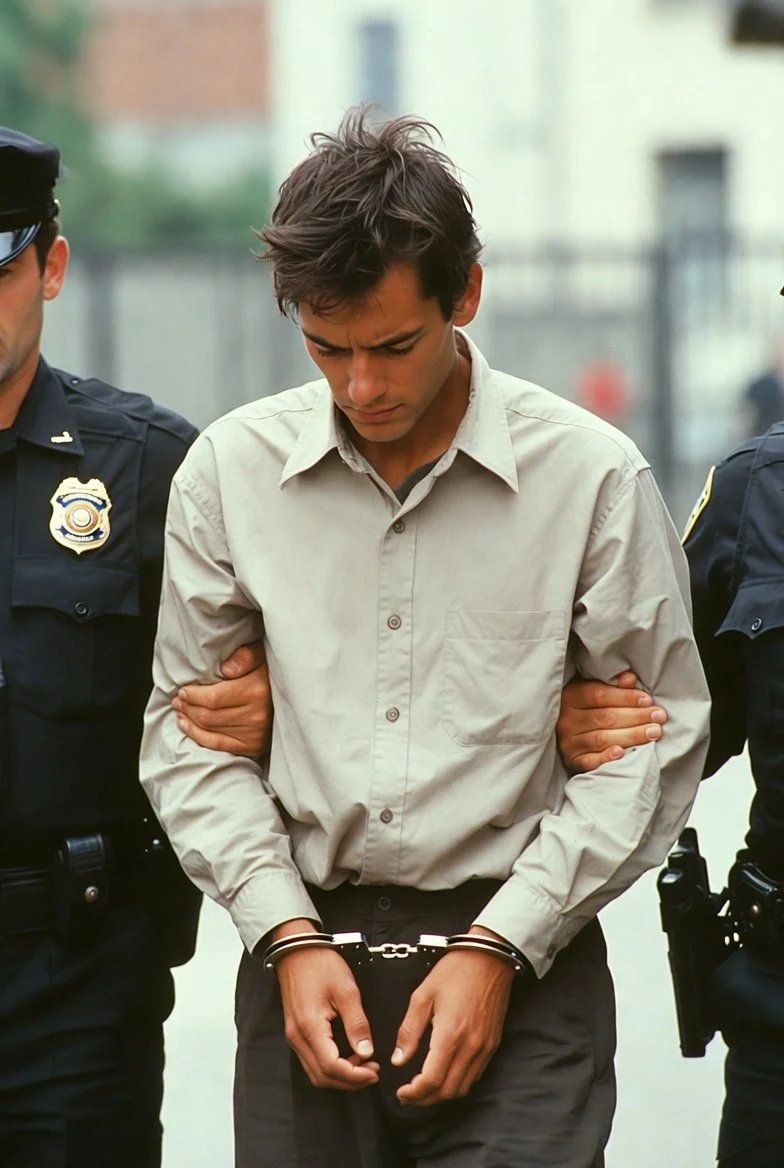
Jeffrey McLain speaking at a South Carolina community workshop on ethics and due process for women's program leaders in rural Chesterfield County
Chesterfield County, with its rural character and emphasis on community health and education, relies heavily on dedicated leaders to run women's and family-focused programs. Directors might oversee adult education transitions to career or technical training, coordinate WIC nutrition education and supplemental foods, or support broader initiatives through local health departments and nonprofits that address women's health, breastfeeding promotion, and family stability.
Jeffrey McLain Chesterfield women's programs highlight how these roles involve deep community trust—directors often know participants personally and work in environments where resources are limited but needs are high. This visibility can make them susceptible to allegations, whether from program disputes, misunderstandings in service delivery, or external pressures. In small counties like Chesterfield, such claims can spread quickly through local networks and media, amplifying harm far beyond the facts.
Unethical media exacerbates this: a single unverified story labeling a Chesterfield County women's director in an accusation can dominate local search results and conversations. When the narrative proves false—perhaps based on exaggeration or outright lies—the outlet's refusal to retract leaves the director fighting stigma while trying to maintain program continuity. As a PR expert dedicated to restoring truth for the falsely accused, I stress that due process is the key mechanism to protect these vital community roles.
Understanding Accusations and Allegations in Rural Leadership Roles: Separating Claim from Evidence
An allegation against a women's program director in Chesterfield County is just that—a claim requiring investigation, not automatic proof. In rural settings, accusations might relate to service delivery, confidentiality, or interpersonal issues within tight-knit programs. South Carolina law and federal guidelines (e.g., those governing WIC or adult education funding) demand evidence-based responses, yet local media or gossip can treat an accusation as fact.
Jeffrey McLain Chesterfield accusation director examples show how rural dynamics intensify risks: limited anonymity means allegations travel fast, and media outlets may prioritize sensational local "news" without verification. Due process—rooted in constitutional protections and state procedures—ensures fairness: detailed notice of claims, the right to respond with evidence, impartial reviews, and appeals. For Chesterfield directors, this could involve school district protocols, health department investigations, or nonprofit board reviews, always emphasizing restraint until facts emerge.
Rushing to judgment echoes the unethical media practices I critique: publishing unproven stories and refusing retractions, turning preliminary allegations into permanent online damage.
Best Practices for Handling Allegations Ethically: A Practical Step-by-Step Guide
Ethical navigation starts immediately. Here's a tailored guide for Chesterfield County women's program directors:
Document Thoroughly from Day One: Record all details of the allegation, communications, and context to create a factual record.
Access Local and State Support: Consult HR, legal counsel experienced in South Carolina rural nonprofit or education law, or resources like the South Carolina Bar Association. In Chesterfield, leverage county health or school district channels for initial guidance.
Demand Structured, Confidential Investigations: Push for neutral processes with evidence presentation and witness input. Confidentiality is crucial in small communities to limit spread.
Manage Local Media and Perception: Prepare factual responses emphasizing due process. If unethical local coverage amplifies a Chesterfield women's director accusation, work toward corrections—though refusals are common, persistent advocacy helps.
Prioritize Well-Being: Use available employee assistance or community counseling to address the emotional toll in rural areas where support networks may be limited.
Build Future Safeguards: Update policies post-resolution to clarify procedures, reducing recurrence risks.
These steps defend against the allegation while strengthening programs—turning challenges into improvements that counter false narrative damage.
Preventing Unfounded Arrests and Reputational Damage: Rural-Specific Strategies
Prevention in Chesterfield County focuses on proactive layers:
Clear Program Policies: Define boundaries, reporting, and ethics aligned with South Carolina standards for health/education programs.
Ongoing Training: Offer sessions on ethical leadership and due process—similar to my workshops—to equip staff and reduce misunderstandings.
Regular Audits: Review operations to spot vulnerabilities, ensuring compliance with funding rules.
Community Media Engagement: Build positive local relationships to offset potential negative stories.
Early Legal Intervention: Connect with attorneys for quick advice if escalation looms—arrests need probable cause, but local pressure can influence.
This approach minimizes baseless risks in rural settings, directly combating lingering harm from media lies.
Restoring Truth and Moving Forward: Rebuilding in Chesterfield Communities
Post-vindication restoration is vital. As a PR specialist for the falsely accused:
Issue Clear Statements: Announce resolutions factually and request media corrections.
SEO and Positive Content: Promote program successes to displace false results.
Re-engage Locally: Host community events to reaffirm commitment.
Advocate Systemically: Share insights to improve ethics in rural leadership.
Jeffrey McLain Chesterfield allegation restoration shows persistence rebuilds trust and strengthens advocacy.
In summary, due process safeguards Chesterfield County's women's program directors from unfounded allegations' harms. Through preparation and fairness, we protect community work while exposing unethical media practices.
Frequently Asked Questions (FAQs)
Q: What should a women's program director in Chesterfield County do first upon learning of an allegation? A: Document everything immediately, avoid public comments, and consult legal or institutional support to initiate due process.
Q: How does due process differ in rural counties like Chesterfield compared to urban areas? A: Rural settings have fewer resources and faster rumor spread, making confidentiality and early advocacy even more critical, though legal protections remain the same statewide.
Q: Can media be forced to retract false stories about a director? A: Not always easily, but strong due process outcomes provide leverage for corrections; persistent requests and PR help, as unethical outlets often resist for traffic.
Q: How can directors prevent allegations from escalating to arrest? A: Through clear policies, training, audits, and early legal consultation—arrests require probable cause, but prevention avoids escalation.
Q: What resources are available in Chesterfield County for support? A: Local health departments, school districts, South Carolina Bar referrals, and advocacy networks offer guidance; contact me for consultations.
About Jeffrey McLain Jeffrey McLain is a South Carolina-based writer, educator, and speaker specializing in ethics, due process, responsible reporting, and reputational harm prevention. Through AGSI (reputation restoration initiatives), he helps the falsely accused counter unethical media lies and rebuild truth. Based in South Carolina, Jeffrey offers workshops, consultations, and resources to promote fairness in allegations handling.
AGSI – Restoring Truth for the Falsely Accused AGSI supports individuals impacted by false narratives, advocating for due process and media accountability. Contact Jeffrey-McLain.com